
Winter Driving Tips Every Calgary Driver Must Know
- harikay05
- Dec 14, 2025
- 2 min read
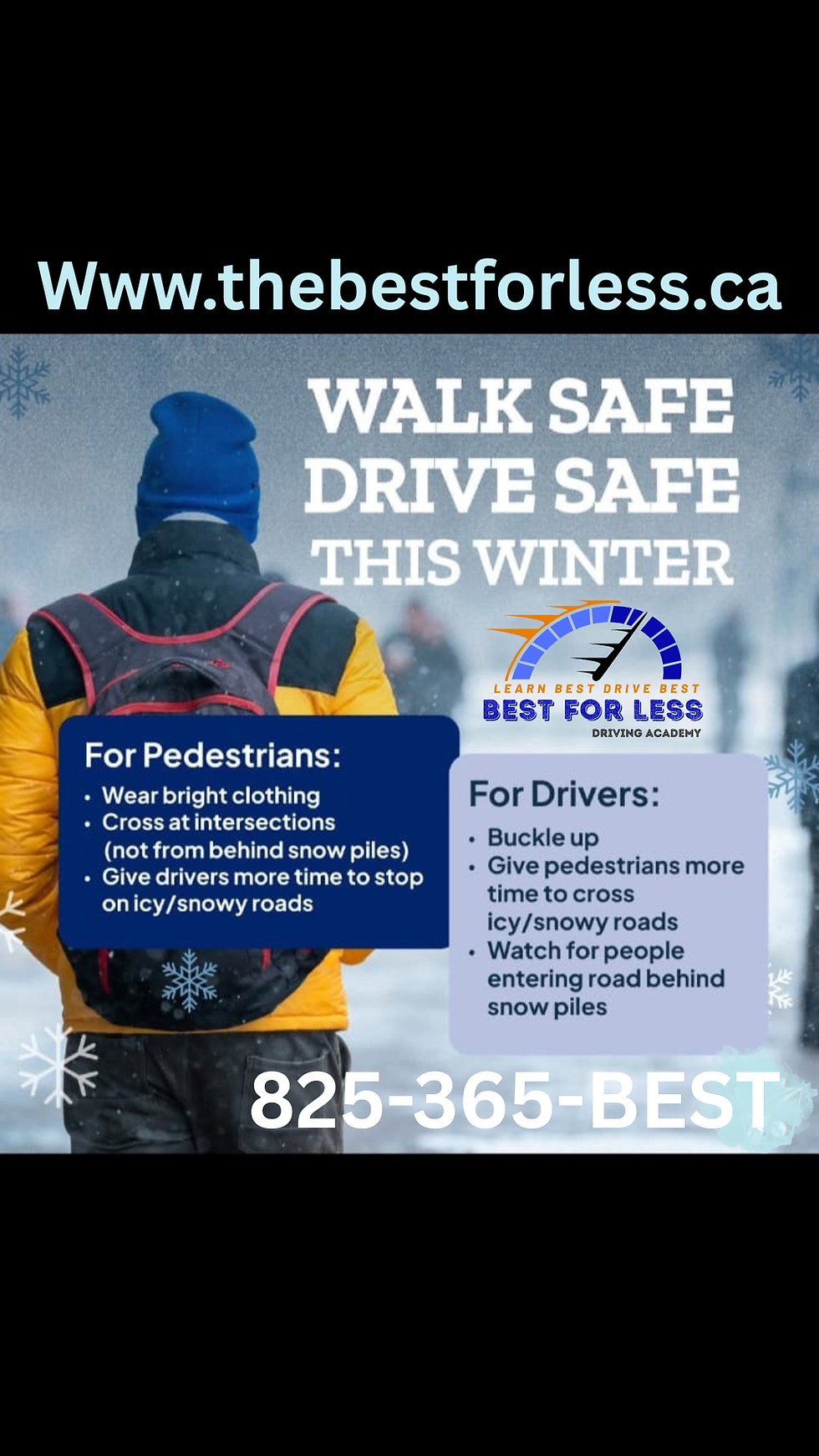
Winter Driving Tips Every Calgary Driver Must Know
Calgary winters are known for sudden weather changes, icy roads, and unpredictable driving conditions. From black ice to blowing snow, winter driving in Calgary requires extra preparation and smart driving habits.
Whether you’re a new driver or need a refresher, these winter driving tips will help you stay safe and confident on Calgary roads.
Why Winter Driving in Calgary Is Different
Calgary experiences frequent freeze-thaw cycles, which create slippery conditions even when roads look clear. Intersections, residential streets, bridges, and highways like Deerfoot Trail and Stoney Trail can become dangerous quickly.
That’s why adjusting your driving habits in winter is essential.
1. Reduce Speed in Winter Road Conditions
Speed limits are set for ideal conditions—not snow or ice. Driving slower gives you better control and more time to react.
Tip: If roads are icy or snow-covered, slow down well below the posted speed limit.
2. Increase Your Following Distance
Stopping distance increases significantly in winter. Leave 6–8 seconds of space between your vehicle and the one ahead to avoid rear-end collisions.
This is especially important during rush hour and on highways.
3. Use Proper Winter Tires
Winter tires are designed to stay flexible in cold temperatures and provide better traction on ice and snow. All-season tires do not perform the same in freezing conditions.
For Calgary winters, winter tires greatly improve braking, steering, and overall control.
4. Watch for Black Ice in Calgary
Black ice is one of the most common winter driving hazards in Calgary. It often forms:
Early in the morning or late at night
On bridges and overpasses
In shaded or low-traffic areas
If you hit black ice, avoid sudden movements. Ease off the accelerator and steer gently.
5. Brake Early and Gently
Most vehicles today have ABS brakes. When braking:
Apply steady pressure
Let the ABS system do the work
Do not pump the brakes
Early braking helps maintain control and reduces skidding.
6. Clear Snow and Ice Before Driving
Before driving, clear all snow and ice from:
Windshields and windows
Mirrors
Headlights and taillights
Roof
Snow flying off your vehicle can be dangerous for other drivers and may result in fines.
7. Be Patient With Other Drivers
Winter driving can be stressful, especially for new drivers. Aggressive driving, tailgating, and honking increase accident risk.
Patience and courtesy help keep everyone safer on the road.
8. Practice Winter Driving Skills
Confidence comes from experience. Practicing winter driving skills—such as controlled braking and skid recovery—can help drivers respond safely to sudden changes in road conditions.
Brush-up lessons or winter driving practice can benefit both new and experienced drivers.


Comments